general
Best Time to Visit Jim Corbett – A Season-by-Season Guide
ByVana Retreat Team
•16 May 2026•9 min readBest Time to Visit Jim Corbett – A Season-by-Season Guide
There is something about Jim Corbett National Park that pulls you back, again and again. Maybe it is the sound of the Ramganga River on a cold winter morning. Maybe it is the moment you lock eyes with a Bengal tiger sitting at the edge of a dry waterhole in April. Or perhaps it is just the quiet, the kind of silence that only a forest this old and this alive can offer. That is exactly why travelers often search for the Best Time to Visit Jim Corbett before planning their journey. India's oldest national park, established in 1936, spans over 1,300 square kilometres across the Nainital and Pauri Garhwal districts of Uttarakhand. It is home to over 250 Royal Bengal Tigers, 600+ bird species, and an ecosystem so layered that no two visits are ever the same. But your experience changes dramatically depending on when you go. So let us walk you through every season, honestly, with no marketing fluff, so you can plan the trip that is truly right for you.
Winter (November – February): The Peak Season
If someone asks you for the single best time to visit Jim Corbett without any further context, the honest answer is November to February. This is when the park wakes up after the monsoon; the mist sits low over the grasslands in the early morning, the light is golden, and the animals are more active than at any other time of year.
Temperatures hover between 5°C and 25°C, cool enough to make a jeep safari comfortable, but not so cold that you are miserable. Do bring a good fleece or jacket, especially for the 6 AM safari slots. The park zones that open from mid-November include Dhikala, Bijrani, Durga Devi, Jhirna, and Dhela, essentially giving you access to the full park experience.
Winter Highlight: Birdwatching Paradise
November through February is when Jim Corbett transforms into one of India's finest birdwatching destinations. Over 600 resident species are joined by hundreds of migratory birds arriving from Central Asia and Siberia. Keep your eyes open for the Great Pied Hornbill, the Crested Kingfisher, and the majestic White-backed Vulture. Early mornings at Dhikala are particularly spectacular.
Pro Tip: Book your Dhikala zone safaris at least 45 days in advance for December–January weekends. These slots sell out extremely fast. Vana Retreat's team can assist with safari bookings and scheduling your itinerary around the best sunrise timings.
Summer (March – June): Prime Time for Tiger Sightings
Here is the truth that most travel guides bury: if you are searching for the Best Time to Visit Jim Corbett for tiger sightings, then summer, specifically March to June, is your best bet. Yes, it gets hot. Afternoons in May can touch 40°C. But the forest transforms in a way that makes wildlife spotting dramatically easier.
As the temperature rises, water becomes scarce inside Jim Corbett National Park. The smaller streams and ponds dry up, which forces animals, tigers, elephants, leopards, and deer, to gather around the larger rivers and remaining waterholes. The dense summer vegetation also thins out, giving you longer sightlines through the forest. An experienced naturalist guide and a little patience at the right waterhole can lead to one of the most extraordinary wildlife encounters of your life.
Timing Your Safari in Summer
The golden rule of summer safaris is simple: go early, go late. The 6–10 AM morning slot and the 3–6 PM afternoon slot are when animals are most active. Midday heat keeps everything hidden in the shade. A smart traveller uses the midday hours to return to a cool resort, enjoy a leisurely lunch, and rest before heading back out in the afternoon.
Why Vana Retreat is Perfect for Summer Visits:
After a dawn safari under the Corbett sun, returning to Vana Retreat's serene pool cottages and cool, curated spaces is exactly the kind of reset a wildlife trip deserves. Our multi-cuisine restaurant is designed for unhurried lunches, and our luxury suites let you recharge before the evening safari. Luxury and wilderness, that's the Vana Retreat promise.
Monsoon (July – October): The Hidden Season
Most people write off the monsoon, and we understand why. Heavy rains close the major zones, Dhikala and Bijrani are inaccessible from July through mid-November. But if you are the kind of traveller who loves a destination before the crowds arrive, monsoon Corbett is extraordinary.
The park turns an almost unreal shade of green. Rivers run full and fast. The air smells of wet earth and fresh pine. Jhirna and Dhela zones remain open year-round, and while tiger sightings are rarer, the park feels alive in a completely different way. It is the season for landscape photographers, for birders tracking nesting activity, and for those who simply want to sit beside a river and let the forest breathe on them.
Accommodation rates are also at their lowest during the monsoon, making it an ideal time for a longer, more immersive stay at Vana Retreat. The resort's lawn areas, outdoor experiences, and curated dining take on a different, almost meditative quality when the rains come in.
7 Tips to Make the Most of Your Jim Corbett Visit
Book safaris 45–90 days in advance for peak season (Nov–Feb). Dhikala zone slots are especially competitive on weekends and holidays.
Always choose the morning safari slot (6–10 AM) for the best light, coolest temperatures, and maximum animal activity, regardless of season.
Wear earth tones, greens, khakis, browns. Bright colours can startle wildlife and are generally discouraged inside park zones.
Carry binoculars. Many visitors miss extraordinary bird sightings because they are focused on the road ahead. The forest canopy is where the real show is.
Stay silent on the safari. This is perhaps the single most important tip experienced naturalists give. A quiet jeep sees far more wildlife.
Stay as close to the park gates as possible. Vana Retreat in Shimli, Ramnagar ensures you're a short drive from key safari entry points, so you're never late for that coveted 6 AM slot.
Charge your camera the night before, and carry an extra memory card. Wildlife photography in Corbett can fill a card faster than you'd expect.
Why Vana Retreat is the Ideal Base for Every Season
Choosing the right resort in Jim Corbett is almost as important as choosing the right season, especially when planning the Best Time to Visit Jim Corbett for safaris and wildlife experiences. The park's entry zones are spread across the Ramnagar area, and the difference between staying 15 minutes from a gate versus 45 minutes can mean missing your safari window entirely.
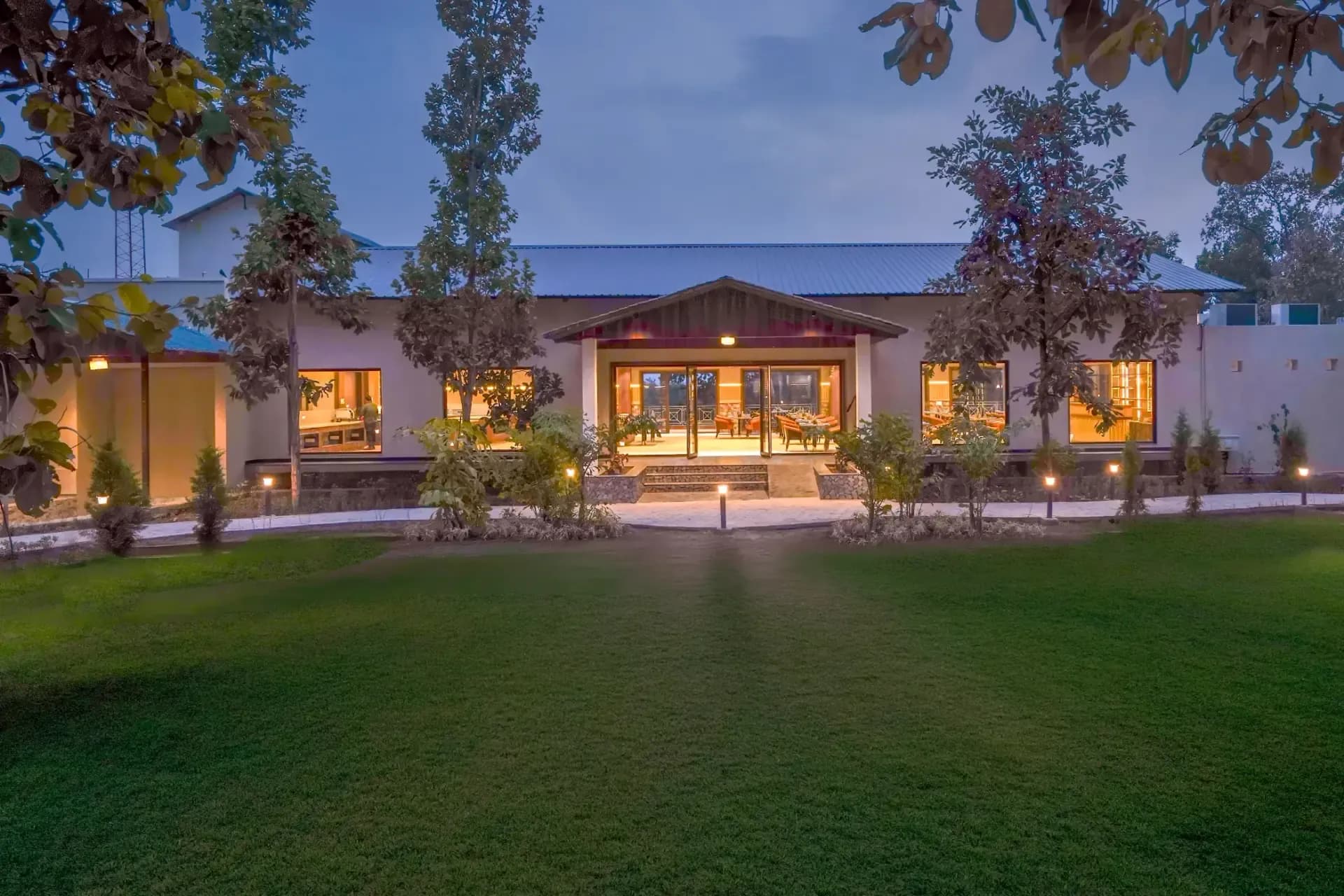
Vana Retreat, located in Shimli, sits at the perfect intersection of wilderness proximity and refined comfort. Our 30 thoughtfully designed rooms, from Executive Rooms with jungle and garden views to the exclusive Vana Suite with Private Pool, are created to let the outside in. Wake up to the sounds of the forest. Unwind by the pool between safaris. Let the evening stretch out over dinner under an open sky
Whether you are planning a winter wildlife escape, a summer tiger expedition, or a monsoon nature retreat, Vana Retreat adapts to every season, and every kind of traveller.
Every season at Vana Retreat is a new story with the forest. Let us help you choose the perfect dates and curate every detail of your stay.
Book Your Stay at Vana Retreat
Frequently Asked Questions
What is the best time to visit Jim Corbett National Park?
The best time to visit Jim Corbett is November to February for pleasant weather, all zones open, and excellent birdwatching, it's the most popular season. March to June offers the highest probability of tiger sightings as animals gather near waterholes. Monsoon (July–October) is ideal for nature lovers who want lush greenery, fewer crowds, and lower rates.
Which months are best for tiger spotting in Jim Corbett?
March to June is the best period for tiger sightings. As temperatures rise and waterholes dry up, tigers congregate near the Ramganga river and remaining water sources — making early morning safaris (6–10 AM) especially productive. Sightings are possible year-round, but summer gives you the statistical edge.
Is Jim Corbett National Park open during monsoon?
Most zones close during peak monsoon (July–October) due to flooding and forest regeneration. However, Jhirna and Dhela zones remain open year-round. Bijrani reopens from 15 October, and Dhikala from 15 November, marking the start of the new tourist season.
How far is Vana Retreat from the Jim Corbett safari gates?
Vana Retreat is located in Shimli, on the Bhalon Patkote Road in Ramnagar, placing you just a short drive from the major safari entry points of Jim Corbett National Park. This proximity means you'll never miss the crucial 6 AM safari slot.
What is the temperature in Jim Corbett in winter?
Winter temperatures range from 5°C to 25°C. Days are pleasant and sunny, but nights and early mornings (especially for safaris) can drop to 5–10°C. Warm layers, a fleece jacket, and a woollen hat are highly recommended for winter safaris.
Which safari zone in Jim Corbett is best for beginners?
Bijrani zone is excellent for first-time visitors, it has good road conditions, diverse habitat, and strong sighting records for tigers and elephants. Dhikala is the most famous zone but requires a full-day permit and advance planning. Jhirna is a great option year-round, especially for monsoon visits.
Can Vana Retreat arrange safari bookings for guests?
Yes. Vana Retreat's hospitality team can assist guests in arranging and scheduling curated safari experiences in Jim Corbett National Park. Safaris are arranged on request and led by experienced naturalist guides. Contact the resort at +91 92 8654 3580 or sales@vanaretreatcorbett.com for assistance.
Is Jim Corbett good for a family trip?
Absolutely. Jim Corbett is one of India's most family-friendly wildlife destinations. The October to February window is ideal for families, with comfortable temperatures and all zones open. Vana Retreat's Family Suites and spacious lawn areas make it especially well-suited for family getaways, school holiday trips, and multi-generational travel.